
Buying a home in North Dakota often means falling in love with spaces built for outdoor living—especially decks, which offer a front-row seat to our snowy winters, stormy springs, sunny summers, and vibrant autumns. But as a buyer, it’s vital to inspect a deck carefully at an open house. Overlooked damage can quickly turn into major safety concerns, costly repairs, or code violations. Here’s how to conduct a smart, efficient walk-through.
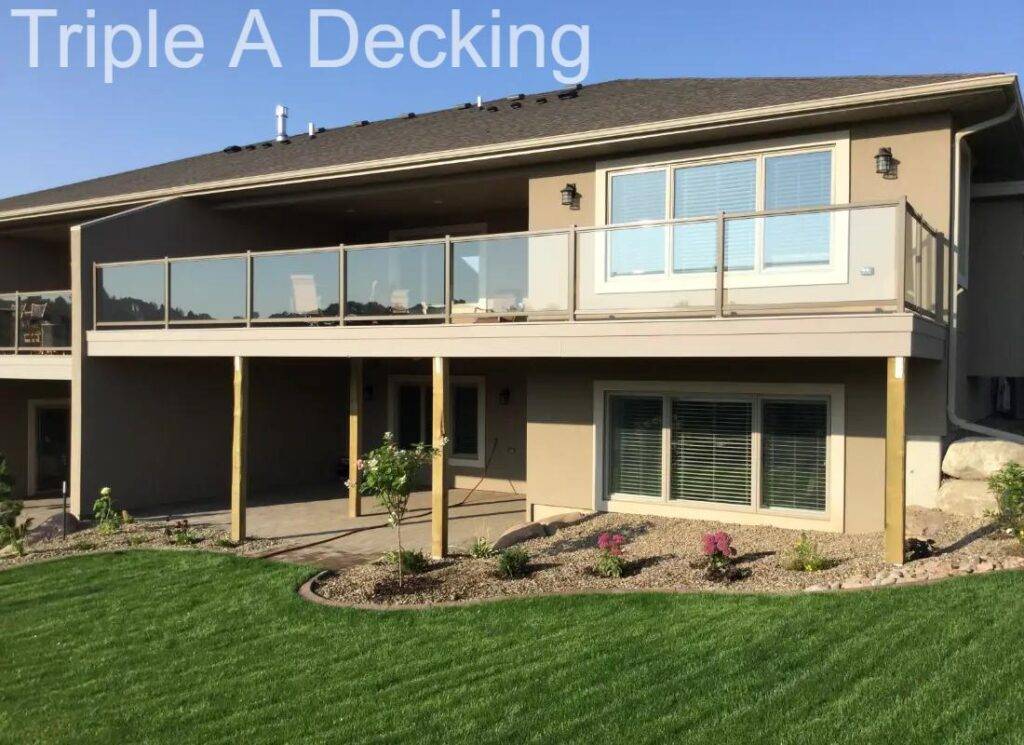
Answering The Question: How To Inspect A Deck At An Open House
1. Start With the Structure: Footings, Posts & Ledger
- Below & Around Ground Contact: In Mandan and across North Dakota, frost heave can damage footings. Look beneath the deck: are posts sitting firmly on concrete piers, not buried in soil? Check for cracks, sinking, or leaning—signs of movement and rot.
- Ledger Board Connection: The ledger connects the deck to the home and demands close attention. The connection should be evaluated for sound structural backing, approved fastening, and flashing that directs water away from the house—especially critical with our heavy snowfall.
2. Examine Joists, Beams & Hardware
Flip over a sample board or peer underneath: are joists level, unstained, and free of rot? Hardware—joist hangers, brackets, bolts—should be firmly secured and rust-free.
Sagging joists or missing fasteners, particularly near stairs or perimeter edges, signal a need for serious repair.
3. Walk the Deck Surface & Stairs
- Decking Condition: Step onto the deck. Look for spongy spots or loose boards—common indicators of hidden rot.
- Stairs & Stringers: These take heavy foot traffic. Test stairs gently for movement, ensure boards are intact, and inspect for splits, heavy wear, or surface rot.
4. Test Railings & Balusters
North Dakota buyers should press on railings to check for sway or looseness. Spacing between balusters must meet local code—gaps wider than 4 inches pose a safety risk. Every joint and connector should be tightened and corrosion-free.
5. Inspect Fasteners, Flashing & Drainage
- Fasteners & Connectors: Nails and screws should be secure, with corrosion-resistant materials for best performance in damp ND winters.
- Water Management: Flashing needs to extend behind house siding to prevent moisture seepage. On open houses, look for visible water staining or mold near the ledger board.
- Drainage: Ensure ground around footings slopes away from posts; stagnant water fosters rot and settling.
6. Look For Signs of Rot & Insect Activity
Setbacks like decay and insect damage (e.g. carpenter ants or bees) can be hidden dangers. Tap wood surfaces with a tool—hollow sounds may indicate rot. Keep an eye out for termites or muddy sawdust. Especially in ND’s soils and seasonal shifts, rot at critical junctures is common and may require full board or joist replacement.
7. Consider Local Climate Effects
North Dakota’s storms, snow loads, and freeze-thaw cycles add stress to decks:
- Heavy snow accumulation: In open houses during spring thaw or winter, watch for sagging boards or bowed joists under snow weight.
- UV Damage & Fading: Even composite surfaces can degrade from sun exposure. Note surface color retention and weathering patterns.
- Ice Formation: Closed decks may hide ice-drip damage near house connections—look for discoloration or mildew that indicates improper sealing.
8. When to Call for a Professional
- Structural Doubts: Any looseness or cracking in footings, ledger, joists, railings, or stairs? Bring in a licensed deck contractor or inspector—local standards (NADRA, city code) must be met.
- Safety Features: Multi-level decks, close to the house, or adjoining residences demand professional checking. A DIY inspection only goes so far.
- Reported Repairs: If a seller discloses past fixes, request receipts, permit copies, or warranties. Ensure work was performed by local pros like Triple A Decking, insured and knowledgeable about ND codes.
9. Wrap It Up With Documentation
At the end of your open house inspection, jot down findings—what tested solid, what needs follow-up. Ask the listing agent or seller for any past inspection reports. If you’re serious, arrange for a full professional inspection before finalizing your offer.
DIY vs Professional Inspection: What Buyers Need to Know
Do-it-yourself checks help you identify visible issues—but a pro can spot hidden problems and code violations that affect safety and value. Inspection scope and pricing vary; ask what the assessment includes before scheduling. And because decks in North Dakota endure harsh conditions, even a well-built structure can mask flaws only an expert can detect.
Buying a Safe, Beautiful Home with Deck Confidence
Understanding deck inspection basics empowers North Dakota home buyers. Decks are high-traffic living spaces—but can quickly become hazards if built or maintained improperly. With concentrated attention to footings, ledger board, fasteners, railings, and weather effects, you can identify potential red flags during open houses and ensure any necessary professional review is completed before closing.
Contact Triple A Decking For Deck Inspections In North Dakota
Ready to take the guesswork out of deck inspections during your next home purchase? Contact Triple A Decking today for expert deck inspection services across North Dakota. Our Mandan team can discuss the condition of a deck and the repair options that may be appropriate. We’ll inspect every component—from footings and ledger boards to joists, fasteners, railing safety, and drainage specifics. You’ll receive an explanation of the findings and the next steps for any needed repairs. Don’t roll the dice on deck safety—contact Triple A Decking today to book your professional deck inspection. With our knowledge of ND’s unique climate and residential standards, we’ll help you buy confidently and live worry-free on your new deck.